Sacred Texts & ScripturesVishnuKartika Purnima, Gita Jayanti, Ekadashi

Padma Purana: Comprehensive Summary, Khandas, and the Classification of Puranas

Discover the sacred Padma Purana: explore its major Khandas, profound spiritual stories, and the famous Guna-based classification of the eighteen Mahapuranas.

By Sanatan Hindu6 min readUpdated 20 August 2026Audio available
Share:

Affiliate disclosure: Sanatan Hindu participates in the Amazon Associates Programme and the CueLinks affiliate network (Myntra & Flipkart). This page contains affiliate links, if you click and buy, we earn a small commission at no extra cost to you. As an Amazon Associate we earn from qualifying purchases. Full disclosure.
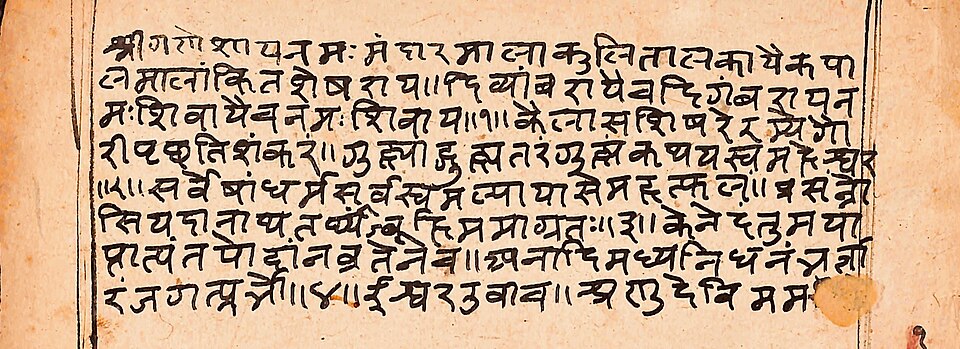
Padma Purana: Comprehensive Summary, Khandas, and the Classification of Puranas

Next Gita Jayanti

Sunday, 20 December 2026· in 122 days

Set a reminder so you never miss Gita Jayanti.

Introduction

The Padma Purana (पद्म पुराण) stands as one of the most encyclopedic, revered, and voluminous texts within the sacred canon of Hindu scriptures. Classified as the second among the eighteen major Mahapuranas, this monumental work derives its name from the primordial cosmic lotus (Padma) that emerged from the navel of Lord Vishnu, upon which Lord Brahma sat to commence the architectural creation of the universe. Containing over 55,000 verses in its traditional recensions, the text serves as a vast treasury of cosmology, geneaology, ethics, geography, pilgrimage guides (tirtha-mahatmya), ritual frameworks, and philosophical synthesis, harmonizing devotional surrender (bhakti) with ethical action (dharma) and discriminative wisdom (jnana).
According to classical tradition, the sage Krishna Dvaipayana Veda Vyasa compiled the Padma Purana to preserve the esoteric and practical wisdom of Vedic thought for humanity in the Kali Yuga. Narrated primarily through sacred dialogues between ancient rishis, deities, and enlightened monarchs—most notably between Suta Gosvami and the assembly of sages at Naimisharanya, as well as divine dialogues between Lord Shiva and Devi Parvati—the text spans vast cosmic eras. It weaves sublime theological reflections with vivid folklore, ethical parables, and sacred geographical chronicles that map the sanctified landscape of Bharatavarsha.
Structurally, the Padma Purana is organized into extensive sections known as Khandas. While manuscript traditions exhibit regional variations (primarily between the Bengal and Western/Southern recensions), the widely accepted traditional framework includes five to seven major books: Srishti Khanda (Section on Creation), Bhumi Khanda (Section on the Earth), Svarga Khanda (Section on the Heavens), Brahma Khanda (Section on Supreme Reality and Devotion), Patala Khanda (Section on the Netherworlds and the Glories of Sri Rama), Uttara Khanda (The Concluding and Most Celebrated Section), and Kriya-yogasara (The Essence of Devotional Practice). Each Khanda addresses distinct dimensions of cosmic, spiritual, and moral life, offering a holistic roadmap for an individual's journey from material embodiment to spiritual liberation (moksha).
Beyond its structural expanse, the Padma Purana holds a distinctive and authoritative place in Sanatana Dharma because it explicitly provides the tripartite classification of all eighteen Mahapuranas according to the cosmic modes of nature (Trigunas: Sattva, Rajas, and Tamas). By contextualizing the intent, temperamental orientation, and ultimate spiritual fruit of each scripture, the Padma Purana acts as a foundational hermeneutic guide, enabling spiritual seekers to navigate the vast ocean of Puranic literature with discernment, reverent understanding, and philosophical clarity.

Significance

The spiritual, theological, and philosophical significance of the Padma Purana is immense, exerting a profound influence on classical Vaishnavism, Smarta traditions, and general Hindu devotional culture for centuries. Foremost among its contributions is the Guna-based taxonomy of Puranic literature found in the Uttara Khanda (Chapter 236). Here, Lord Shiva explains to Devi Parvati that the eighteen Mahapuranas are divided into three equal groups of six: Sattvika Puranas (leading to liberation and dedicated predominantly to Lord Vishnu), Rajasika Puranas (yielding celestial elevation and focusing on Lord Brahma and creative aspects), and Tamasika Puranas (addressing specific cosmic functions, rituals, and material purification, dedicated primarily to Lord Shiva and Agni). This classification provides a profound epistemic lens, explaining why different scriptures emphasize distinct deities according to the spiritual evolution and psychological orientation (adhikara) of the aspirant.
In addition to its hermeneutic framework, the Padma Purana is celebrated for containing vital theological sub-texts that are foundational to Hindu devotional life today. It preserves the highly revered 'Srimad Bhagavata Mahatmya', which glorifies the devotional efficacy of the Bhagavata Purana, and the transformative 'Gita Mahatmya', which expounds the transcendental potency of each chapter of the Bhagavad Gita. Furthermore, the Patala Khanda provides an exhaustive and emotionally stirring retelling of the Ramayana tradition, detailing Sri Rama's Ashvamedha Yajna, the life of Sita Mata in Valmiki's hermitage, and the deep esoteric symbolism of the Divine Name (Rama Nama).
Culturally and geographically, the Padma Purana functions as a sacred topographical map of ancient India. The Srishti and Svarga Khandas elaborate extensively on the glories of holy pilgrimage sites (tirthas), notably Pushkar Tirtha in Rajasthan—establishing its status as the supreme seat of Lord Brahma—along with the divine sanctuaries of Kashi, Prayagraj, Mathura, Vrindavan, Gaya, and the sacred river basins of the Ganga, Yamuna, Narmada, and Godavari. By systematically detailing the spiritual merits (phala) of pilgrimage, holy bath (snana), ethical charity (dana), and contemplation at these sites, the Purana unified the spiritual consciousness of diverse regional traditions under a shared sacred geography.
From a practical and ritual perspective, the text provides exhaustive guidance on the observance of sacred fasts, particularly Ekadashi Vrata, Tulasi worship, Salagrama seva, and the sanctified vows of the sacred months of Kartika, Vaisakha, and Magha. It emphasizes that external ritualism is hollow without internal moral purity, truthfulness, compassion (daya), and selfless devotion. Citing the Padma Purana, classical commentators emphasize that chanting its verses, listening to its recitations, or reflecting upon its philosophical truths cleanses an individual of accumulated karmic impurities (sanchita papa), instills unshakeable devotion to the Supreme, and culminates in eternal abode at the lotus feet of the Divine.

Best Time to Perform

Recitation or listening (Shravana) of the Padma Purana is especially auspicious during the sacred month of Kartika (October–November), Vaisakha, Magha, on all Ekadashis, Gita Jayanti, Ram Navami, or during a consecrated seven-day Purana Saptaha.

Find your exact auspicious time Check the shubh muhurat and choghadiya for your city and date.

Required Samagri (Materials)

A clean copy or manuscript of the Padma Purana (Grantha / Pothi)
Wooden book stand (Grantha Peetha or Rehal)
A sacred red or yellow silk altar cloth (Pavitra Vastra)
Pure Ghee or Sesame oil lamp (Diya/Deepam) and wicks
Incense sticks (Agarbatti) and Dhoop
Ganga water or pure consecrated water in a Panchapatra with Achamani
Chandan (Sandalwood paste), Kumkum, and unbroken raw rice (Akshata)
Fresh fragrant flowers, floral garland, and fresh Tulasi leaves
Naivedya / Prasadam (Fresh fruits, soaked jaggery, misri, or sweets)
Panchamrita (Milk, curd, ghee, honey, and sugar) for initial consecration
Roli, sacred thread (Moli / Kalava), and Betel leaves with Supari
Japa Mala (Tulasi beads or Rudraksha) for pre-reading mantra japa

Preparation Steps

  1. 1Perform ritual purification with a morning bath, wearing clean, unstitched or traditional sattvic clothing (dhoti/kurta or saree).
  2. 2Thoroughly clean and sanctify the study or puja area, facing either East or North.
  3. 3Place a wooden chowki (raised platform), drape it with a clean yellow or red silk cloth, and gently place the sacred Padma Purana manuscript or book upon it.
  4. 4Set up the Panchapatra with pure water, light the incense, and ignite a pure ghee lamp to remain lit throughout the recitation.
  5. 5Perform Achamana (ritual sipping of water with Vishnu names) and Anga Nyasa for bodily and mental sanctification.
  6. 6Make a formal inner pledge (Sankalpa), declaring the intention to read or listen to the sacred text for spiritual wisdom, inner peace, and divine grace.

Step-by-Step Vidhi

  1. 11. Dhyanam & Invocation: Begin by meditating on Sri Ganesha to remove obstacles, followed by prayers to Saraswati Devi (goddess of learning), Sri Veda Vyasa (the compiler), and Lord Sri Hari Vishnu.
  2. 22. Grantha Puja: Apply a tilak of Chandan, Kumkum, and Akshata to the sacred scripture. Offer fresh flowers, a Tulasi leaf, and a sacred thread (Kalava) onto the scripture with deep reverence.
  3. 33. Dhupa & Deepa Arpanam: Wave the fragrant incense and the lit ghee lamp before the scripture while chanting introductory mangala shlokas.
  4. 44. Naivedya Samarpanam: Offer fruits, sweets, or misri with Tulasi leaves as Naivedya, followed by offering consecrated water (Achamaneeyam).
  5. 55. Parayana (Text Recitation): Open the Padma Purana reverently. Read or chant the chosen Khanda or chapter slowly, clearly, with proper pronunciation and contemplative awareness of its spiritual meaning.
  6. 66. Reflective Contemplation: After reading, pause in silent meditation to absorb the philosophical tenets, ethical mandates, and devotional teachings described in the section.
  7. 77. Aarti & Kshama Prarthana: Perform a concluding Arati to the scripture and Lord Vishnu. Conclude by chanting the forgiveness mantra (Kshama Prarthana) for any unintentional mispronunciations or omissions, followed by distributing the prasadam.

Mantras

Purana Mangala Charanam (Invocatory Mantra)

नारायणं नमस्कृत्य नरं चैव नरोत्तमम् । देवीं सरस्वतीं व्यासं ततो जयमुदीरयेत् ॥

nārāyaṇaṁ namaskṛtya naraṁ caiva narottamam | devīṁ sarasvatīṁ vyāsaṁ tato jayamudīrayet ||

Meaning: Before reciting this sacred scripture which is the very means of conquest, one should offer respectful obeisances unto the Personality of Godhead, Narayana, unto Nara-Narayana, the supermost human being, unto mother Saraswati, the goddess of learning, and unto Srila Vyasadeva, the author.

Sattvika Puranas Definition (Padma Purana, Uttara Khanda 236.19)

वैष्णवं नारदीयं च तथा भागवतं शुभम् । गारुडं च तथा पाद्मं वाराहं शुभदर्शने । सात्त्विकानि पुराणानि विज्ञेयानि मनीषिभिः ॥

vaiṣṇavaṁ nāradīyaṁ ca tathā bhāgavataṁ śubham | gāruḍaṁ ca tathā pādmaṁ vārāhaṁ śubhadarśane | sāttvikāni purāṇāni vijñeyāni manīṣibhiḥ ||

Meaning: O beautiful lady (Parvati), the wise should know that the Vishnu Purana, Naradiya Purana, auspicious Bhagavata Purana, Garuda Purana, Padma Purana, and Varaha Purana are Sattvika (endowed with the quality of goodness, leading to liberation).

Rajasika & Tamasika Puranas Definition (Uttara Khanda 236.20-21)

ब्रह्माण्डं ब्रह्मवैवर्तं मार्कण्डेयं तथैव च । भविष्यं वामनं ब्राह्मं राजसानि निबोध मे ॥ मात्स्यं कौर्मं तथा लैङ्गं शैवं स्कान्दं तथैव च । आग्नेयं च षडेतानि तामसानि निबोध मे ॥

brahmāṇḍaṁ brahmavaivartaṁ mārkaṇḍeyaṁ tathaiva ca | bhaviṣyaṁ vāmanaṁ brāhmaṁ rājasāni nibodha me || mātsyaṁ kaurmaṁ tathā laiṅgaṁ śaivaṁ skāndaṁ tathaiva ca | āgneyaṁ ca ṣaḍetāni tāmasāni nibodha me ||

Meaning: Know from me that Brahmanda, Brahma Vaivarta, Markandeya, Bhavishya, Vamana, and Brahma Puranas are Rajasika (endowed with passion). Know that Matsya, Kurma, Linga, Shiva, Skanda, and Agni Puranas are the six Tamasika Puranas (endowed with inertia/transformation).

Kshama Prarthana (Mantra for Forgiveness)

यदक्षरपदभ्रष्टं मात्राहीनं च यद्भवेत् । तत्सर्वं क्षम्यतां देव नारायण नमोऽस्तु ते ॥

yadakṣarapadabhraṣṭaṁ mātrāhīnaṁ ca yadbhavet | tatsarvaṁ kṣamyatāṁ deva nārāyaṇa namo'stu te ||

Meaning: O Divine Lord Narayana, please forgive whatever errors I may have committed due to lost letters, wrong syllables, or missing meter in my recitation. I bow unto You.

Do's

  • Approach the scripture with genuine humility, respect, and a willingness to understand its moral and philosophical allegories.
  • Keep a lit lamp and pure water nearby throughout the duration of the reading.
  • Cover your head with a clean cloth or angavastra while reading sacred verses.
  • Understand the allegorical and spiritual context of ancient Puranic narratives before drawing literalist conclusions.
  • Distribute prasad and share the teachings or summaries with family members and fellow devotees.

Don'ts

  • Do not touch the sacred scripture with unwashed, moist, or unclean hands.
  • Avoid reading or reciting the sacred scripture during impurity periods (ashaucha/sutak) without proper traditional guidance.
  • Do not interrupt the recitation abruptly in the middle of a chapter without completing the narrative flow or closing with a prayer.
  • Avoid harboring sectarian superiority or disrespect toward other deities or traditions while studying the Puranic classifications.
  • Do not keep the book open and unattended after concluding the daily study.

Common Mistakes to Avoid

  • Misinterpreting the Guna classification (Sattvika, Rajasika, Tamasika) as a derogatory hierarchy rather than a pedagogical framework tailored to diverse human temperaments.
  • Reading sacred verses in a rushed, mechanical manner without understanding their philosophical or ethical import.
  • Neglecting the preparatory invocations (Vyasa Vandana and Ganesha Dhyana) before starting the text.
  • Treating regional variations between the Bengal recension and the South Indian recension of the Padma Purana as contradictions rather than natural manuscript developments.
  • Forgetting to perform Kshama Prarthana (forgiveness prayer) at the conclusion of reading sessions.

Regional Variations

  • Bengal Recension: Comprises five traditional Khandas (Srishti, Bhumi, Svarga, Patala, and Uttara) with distinct ordering and specific focus on local river tirthas.
  • Western and Southern Recension: Structured into six or seven Khandas (frequently adding Brahma Khanda and Kriya-yogasara as independent sections) and contains extensive detail on southern tirthas like Venkatachala and Srirangam.
  • Kashmir and North Indian Traditions: Emphasize the Pushkar Mahatmya of the Srishti Khanda, venerating Pushkar as the primary center of universal creation.

Frequently Asked Questions

What is the primary theme of the Padma Purana?
The Padma Purana is an encyclopedic scripture addressing universal creation, genealogies of gods and kings, sacred geography and pilgrimage sites (tirthas), the glories of Bhakti, ethical living, the transcendental stories of Lord Rama and Lord Krishna, and the spiritual classification of all Puranas.
Why is it named 'Padma' Purana?
It is named after the cosmic golden lotus (Padma) that sprung from the navel of Lord Vishnu at the dawn of creation, upon which Brahma sat to manifest the worlds, symbolizing pure cosmic unfolding and spiritual awakening.
What is the three-fold classification of Puranas mentioned in the Padma Purana?
In the Uttara Khanda, Lord Shiva classifies the 18 Mahapuranas into three groups of six based on the Trigunas: Sattvika (goodness/liberation, focused on Vishnu), Rajasika (passion/creation, focused on Brahma), and Tamasika (transformation/purification, focused on Shiva and Agni).
Is the classification meant to demean Shaiva or Shakta traditions?
No. Classical commentators explain that the classification reflects the predominant psychological mode (Guna) and spiritual readiness (adhikara) of the human listener. All Puranas ultimately emanate from the single cosmic vision of Veda Vyasa to guide different minds toward Dharma.
Which famous texts are contained within the Padma Purana?
The Padma Purana contains several renowned spiritual gems, including the 'Gita Mahatmya' (glories of the Bhagavad Gita), the 'Srimad Bhagavata Mahatmya', extensive accounts of the Rama Katha (Patala Khanda), and the Shiva-Gauri dialogues in the Uttara Khanda.

References & Traditional Notes

  • Padma Purana, Uttara Khanda, Chapter 236: Dialogues of Shiva and Parvati on the nature and classification of Mahapuranas.
  • Padma Purana, Srishti Khanda: Extensive narratives on the sanctification of Pushkar Tirtha and early cosmogony.
  • Padma Purana, Patala Khanda: Elaborate Ramayana narrations and the glories of the Holy Name (Nama Mahatmya).
  • Srimad Bhagavata Purana (12.13.4-9): Traditional list and verse count of the eighteen Mahapuranas.

Related Audio & Bhajans

Navagraha Pooja Vidhi Comprehensive Worshiping Navagrahas

otherYouTube
Open on YouTube →
Lyrics

Ov Moi Omm - Kāvya Puranas

other
View Lyrics

Puranas

otherYouTube
Open on YouTube →
Lyrics

Story Prahlad Holika Symbol Victory Lord Vishnu story|mythology|festival

otherYouTube
Open on YouTube →
Lyrics

Gajendra Moksha Stotram (Lord Vishnu Mantra)

otherHindu Pandit
View Lyrics

The role of gods and goddesses in Hinduism, including Lord Rama and Lord Vishnu

otherYouTube
Open on YouTube →
Lyrics

Lord Vishnu Temples

otherYouTube
Open on YouTube →
Lyrics

Lord Vishnu Had Only Ten Avatars, But Our Dosa

otherK. Sejal
View Lyrics

Lord Vishnu worship

otherYouTube
Open on YouTube →
Lyrics

Kamada Ekadashi Significance, Rituals, Vrat Lord Vishnu festival

otherYouTube
Open on YouTube →
Lyrics

Affiliate disclosure: Sanatan Hindu participates in the Amazon Associates Programme and the CueLinks affiliate network (Myntra & Flipkart). This page contains affiliate links, if you click and buy, we earn a small commission at no extra cost to you. As an Amazon Associate we earn from qualifying purchases. Full disclosure.

Amazon Associates tag: geekydevelope-21

Shop Pooja & Festive Essentials on Flipkart

Clicking opens Flipkart via our affiliate link. Prices and availability may vary.

Shop on Flipkart

CueLinks Publisher: 300371

Shop Festive Wear on Myntra

Clicking opens Myntra via our affiliate link. Prices and availability may vary.

CueLinks Publisher: 300371

Share:

Get the daily panchang & festival updates

Join our free newsletter, no spam, unsubscribe anytime.