
Nataraja — Shiva as the Cosmic Dancer: Symbolism, Significance, and Spiritual Meaning
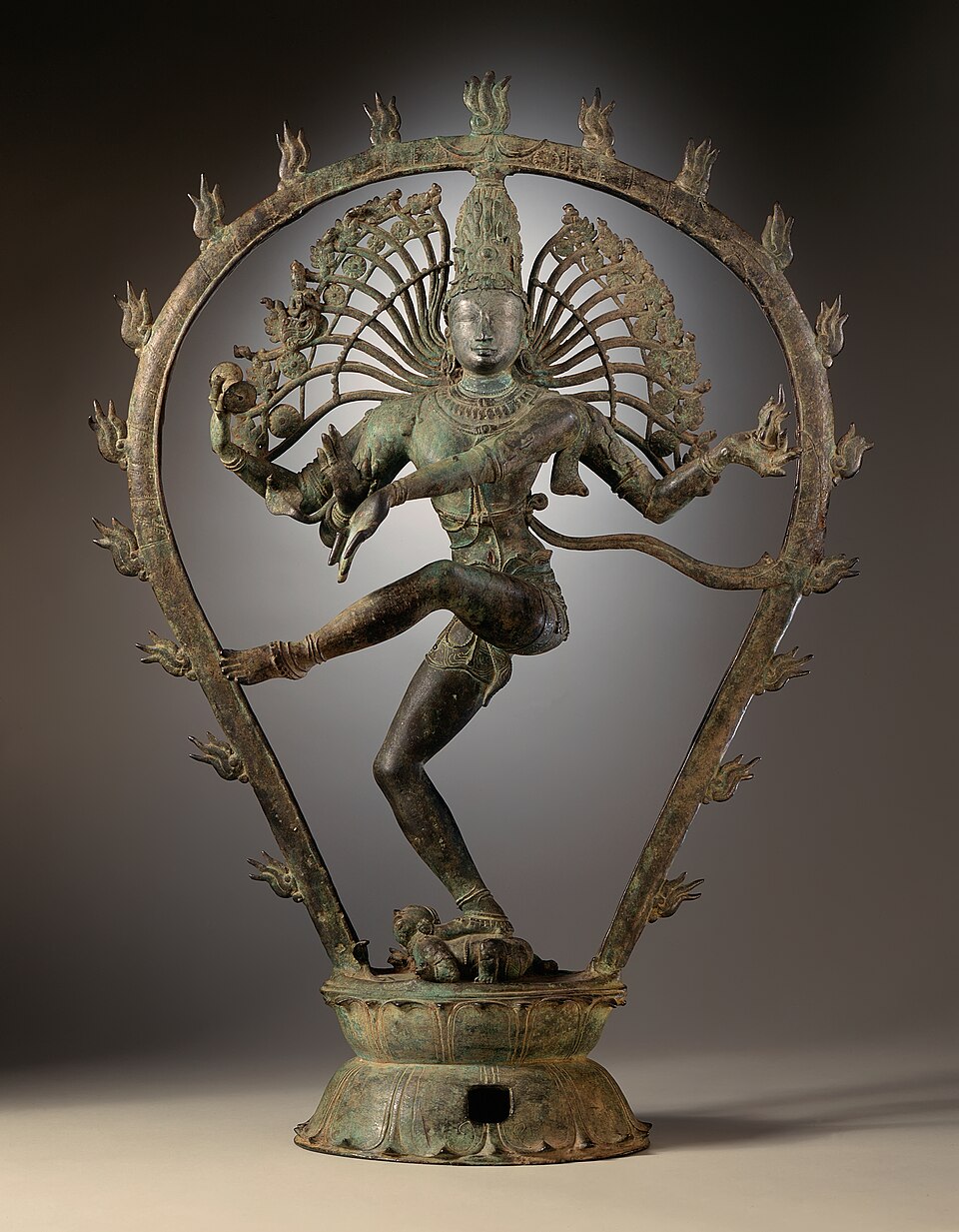
Explore the profound symbolism of Nataraja, Shiva's cosmic dance form representing creation, preservation, and destruction. Learn its spiritual meaning, legends, and worship practices.
Affiliate disclosure: Sanatan Hindu participates in the Amazon Associates Programme and the CueLinks affiliate network (Myntra & Flipkart). This page contains affiliate links, if you click and buy, we earn a small commission at no extra cost to you. As an Amazon Associate we earn from qualifying purchases. Full disclosure.
Introduction
Significance
Best Time to Perform
Find your exact auspicious time Check the shubh muhurat and choghadiya for your city and date.
Required Samagri (Materials)
Preparation Steps
- 1Bathe and wear clean, preferably white or saffron clothing
- 2Clean the puja area and altar thoroughly
- 3Place the Nataraja murti on a clean pedestal facing east or north
- 4Arrange all samagri items neatly on a plate or tray
- 5Light the lamp and incense before beginning
- 6Sit in a comfortable posture (sukhasana or padmasana) facing the deity
- 7Invoke Lord Ganesha first to remove obstacles
- 8Set a clear sankalpa (intention) for the worship
Step-by-Step Vidhi
- 1Begin with Achamanam (sipping water thrice while chanting Om) and Pranayama
- 2Perform Ganesha Puja with modak, durva grass, and 'Om Gam Ganapataye Namaha'
- 3Invoke Nataraja with Dhyana Sloka: 'Natarajaya Namaha, Chidambareshaya Namaha'
- 4Offer Padya (water for feet), Arghya (water for hands), Achamaniya (water for mouth)
- 5Perform Abhishekam with water, then panchamritam (milk, curd, honey, ghee, sugar), then water again
- 6Apply vibhuti (three horizontal lines) on the murti's forehead and your own
- 7Offer sandalwood paste, kumkum, and flowers while chanting Shiva Sahasranama or 108 names
- 8Offer bilva leaves one by one with 'Om Namah Shivaya' for each
- 9Wave incense (dhoop) in circular motion, then camphor (karpooram) for aarti
- 10Offer naivedyam (food) and fruits, then distribute as prasadam
- 11Perform circumambulation (pradakshina) three times clockwise
- 12Offer final prayers with folded hands (Anjali Mudra) and prostration (Shashtanga Namaskaram)
- 13Conclude with Shanti Mantra: 'Om Shanti Shanti Shantih'
Mantras
Nataraja Moola Mantra
ॐ नटराजाय नमः
Om Natarajaya Namaha
Meaning: Salutations to Nataraja, the Lord of Dance
Nataraja Gayatri Mantra
ॐ तत्पुरुषाय विद्महे महादेवाय धीमहि तन्नो नटराजः प्रचोदयात्
Om Tatpurushaya Vidmahe Mahadevaya Dhimahi Tanno Natarajah Prachodayat
Meaning: We meditate on the Supreme Being (Tatpurusha), the Great God (Mahadeva); may Nataraja inspire and illumine our intellect
Shiva Panchakshari Mantra
ॐ नमः शिवाय
Om Namah Shivaya
Meaning: I bow to Shiva, the auspicious one; the five-syllabled mantra representing the five elements and Shiva's five faces
Ananda Tandava Stotram (Opening Verse)
नृत्यति नृत्यति नटराजः नृत्यति नृत्यति नटराजः चिदम्बरे नृत्यति नटराजः आनन्दताण्डवम्
Nriyati Nriyati Natarajah Nriyati Nriyati Natarajah Chidambare Nriyati Natarajah Ananda Tandavam
Meaning: He dances, He dances, the Lord of Dance; in Chidambaram He dances, the Dance of Bliss
Chidambara Mahatmya Verse
चिदम्बरं प्रणमामि सततं शिवमव्ययम् नटराजं जगन्नाथं सर्वकामप्रदायकम्
Chidambaram Pranamami Satatam Shivam Avyayam Natarajam Jagannatham Sarva Kama Pradayakam
Meaning: I always bow to Chidambaram, the imperishable Shiva, Nataraja the Lord of the World, the fulfiller of all desires
Do's
- ✓Approach Nataraja worship with humility and surrender (sharanagati)
- ✓Focus on the symbolism during puja — contemplate each attribute
- ✓Maintain regularity in daily worship, even if brief
- ✓Study the philosophical meaning of the Tandava from texts like Shiva Tandava Stotram
- ✓Support classical arts (Bharatanatyam, Carnatic music) as offerings to Nataraja
- ✓Visit Chidambaram Nataraja Temple at least once in lifetime if possible
- ✓Wear rudraksha and vibhuti as reminders of Shiva's presence
Don'ts
- ✗Do not place Nataraja murti in bedroom or near bathrooms
- ✗Avoid touching the murti with unwashed hands or during menstrual periods (per traditional practice)
- ✗Do not offer ketaki flowers, tulsi, or coconut water to Shiva (per some traditions)
- ✗Never disrespect the dwarf (Apasmara) — he represents ignorance to be transcended, not mocked
- ✗Avoid loud, distracted, or mechanical recitation of mantras
- ✗Do not photograph or video-record the deity during deeparadhana (lamp waving) in temples
- ✗Never turn your back directly to the murti after worship; exit sideways
Common Mistakes to Avoid
- •Confusing Nataraja with other dancing forms like Kalabhairava or Gajasamharamurti
- •Performing abhishekam with only water, skipping panchamritam on special days
- •Neglecting the philosophical study (jnana) while focusing only on ritual (kriya)
- •Using plastic or synthetic flowers instead of fresh, natural offerings
- •Rushing through aarti without proper circular motions and bell ringing
- •Ignoring the significance of the Chidambara Rahasyam (the secret of Chidambaram)
- •Treating Nataraja as mere art object rather than living divine presence
Regional Variations
- •In Tamil Nadu (especially Chidambaram), Nataraja is worshipped as the primary deity with elaborate 6-time daily puja (Shadkala Puja) and unique rituals like the 'Rahasya Puja' behind the curtain
- •In Kerala, Nataraja is often worshipped as 'Natesha' with Theyyam and Kathakali connections
- •In Karnataka, the Hoysala temples feature exquisite Nataraja sculptures with distinct iconography
- •North Indian temples often depict Nataraja in smaller shrines within Shiva temples, with simpler worship
- •In the diaspora (Sri Lanka, Malaysia, Singapore, Mauritius), Arudra Darshan is celebrated with grand processions and cultural programs
- •Siddha tradition emphasizes the yogic interpretation: Nataraja as the dance of kundalini shakti in the chakras
Frequently Asked Questions
Why does Nataraja dance on a dwarf?▾
What is the significance of the ring of fire (prabha mandala) around Nataraja?▾
What is Chidambara Rahasyam (the secret of Chidambaram)?▾
Can women worship Nataraja during menstruation?▾
What is the connection between Nataraja and Bharatanatyam?▾
How does Nataraja relate to modern physics?▾
Popular Tools
References & Traditional Notes
- •Shiva Purana (Kotirudra Samhita) — describes Shiva's dance in Daruvana
- •Skanda Purana (Maheshvara Khanda) — Chidambara Mahatmya
- •Tirumurai (Tevaram, Tiruvasakam) — Tamil saint-poets Appar, Sundarar, Sambandar, Manikkavacakar sing of Nataraja
- •Natya Shastra (Bharata Muni) — 108 karanas of dance attributed to Shiva
- •Chidambara Mahatmya — sthala purana of Chidambaram Temple
- •Shiva Tandava Stotram (Ravana) — poetic description of the dance
- •Unmai Vilakkam (Meykandar) — Shaiva Siddhanta text explaining Pancha Kritya
- •Tirumantiram (Tirumular) — yogic interpretation of Nataraja as inner dance of prana
Related Audio & Bhajans
Rudrashtakam
Lingashtakam
Bilvashtakam
Nataraja
Affiliate disclosure: Sanatan Hindu participates in the Amazon Associates Programme and the CueLinks affiliate network (Myntra & Flipkart). This page contains affiliate links, if you click and buy, we earn a small commission at no extra cost to you. As an Amazon Associate we earn from qualifying purchases. Full disclosure.
Shop Samagri on Amazon.in
Clicking opens Amazon.in. Prices and availability may vary.
Browse all pooja itemsAmazon Associates tag: geekydevelope-21
Shop Pooja & Festive Essentials on Flipkart
Clicking opens Flipkart via our affiliate link. Prices and availability may vary.
Shop on FlipkartCueLinks Publisher: 300371
Shop Festive Wear on Myntra
Clicking opens Myntra via our affiliate link. Prices and availability may vary.
CueLinks Publisher: 300371
Need a website? Describe it, and AI builds it.
Perfect for a temple, pooja service, astrology practice or small shop. Tell the AI what you want — or drag and drop the classic way — and go live on your own web address in minutes with Sitova. Hosting, SEO, forms and analytics are all included.
- Build with AI or drag & drop
- Your domain + SEO built in
- Free forever plan
Opens sitova.site