

Shakti PeethaShakti
Alopi Devi Mandir
📍 Prayagraj, Uttar Pradesh
A unique Shakti Peetha in Prayagraj where no idol is worshipped — only a wooden cradle (doli) over the spot where the last part of Sati's body is said to have vanished (alop).

A one-of-a-kind Shakti Peetha where the goddess is worshipped not as an idol but as eternal natural flames rising from the rock, marking where Sati's tongue fell.
Primary Deity
ShaktiLocation
Kangra, Himachal Pradesh
Pilgrimage Circuit
Shakti PeethaBest Time to Visit
March to June and September to December; Navratri sees the largest gatherings of devotees.
Jwala Ji is a major Shakti Peetha honoured as the place where the tongue of Sati fell, and the perpetual flames are seen as the goddess's tongue of light. The worship of the eternal fire makes it unique among all Devi temples, symbolising the ever-burning, self-sustaining power of the Divine Mother. Pilgrims believe the flames grant fulfilment of wishes and protection. It is one of the most spiritually charged sites of the Kangra valley.
At Jwalamukhi, tiny blue flames emerge continuously from fissures in the ancient rock, fed by natural gases and worshipped as manifestations of the goddess. There is no conventional image in the sanctum — the living fire itself is the deity, an awe-inspiring sight that has drawn pilgrims for centuries. The temple, with its gilded dome and spire donated by devout rulers, is one of the most famous of the Himachal Devi shrines. The story that Emperor Akbar tried and failed to extinguish the flames — later offering a golden parasol that mysteriously turned to base metal — is recounted to every visitor.
The Shakti Peethas are revered shrines marking the places where parts of Goddess Sati's body are believed to have fallen. Each embodies the divine feminine energy (Shakti). This temple is one of the 45 sacred sites of the Shakti Peetha.
📍 Prayagraj, Uttar Pradesh
A unique Shakti Peetha in Prayagraj where no idol is worshipped — only a wooden cradle (doli) over the spot where the last part of Sati's body is said to have vanished (alop).
📍 Banaskantha, Gujarat
One of the 51 Shakti Peethas, revered as the place where the heart of Goddess Sati fell, near the Gujarat–Rajasthan border. It is among the most visited pilgrimage sites in western India.
📍 Birbhum, West Bengal
A Shakti Peetha at Labhpur in Birbhum where the lips of Sati are said to have fallen, with the goddess worshipped as Fullara amid a serene grove and sacred tank.
📍 Purba Bardhaman, West Bengal
A Shakti Peetha at Ketugram on the banks of the Ajay river where the left arm of Sati is said to have fallen, with the goddess worshipped as Bahula.

📍 Birbhum, West Bengal
A Shakti Peetha in Birbhum where the space between Sati's eyebrows is said to have fallen, famous also for its cluster of hot springs. The goddess is worshipped as Mahishamardini.

📍 Purba Medinipur, West Bengal
The Vibhash Shakti Peetha at ancient Tamluk (Tamralipta) where the left ankle of Sati is said to have fallen, with the goddess worshipped as Kapalini (Bhimarupa).
📍 Jalpaiguri, West Bengal
The Tristrota Shakti Peetha at Boda near the Teesta river in North Bengal, where the left leg of Sati is said to have fallen, with the goddess worshipped as Bhramari.
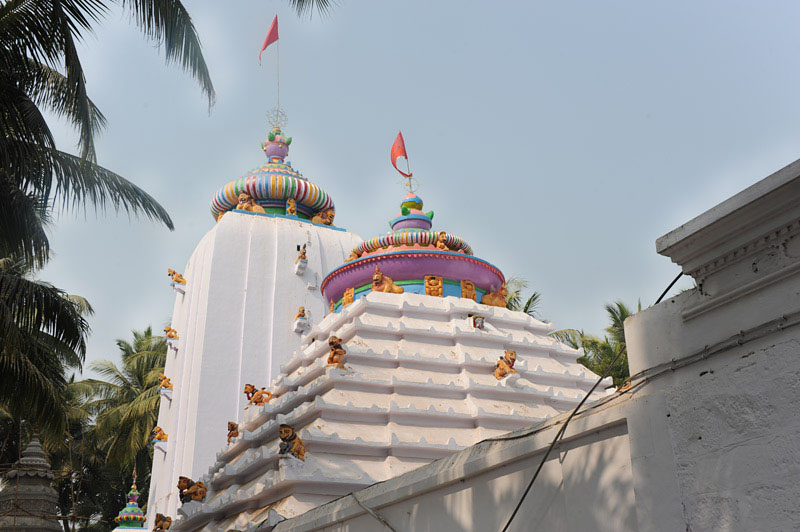
📍 Jajpur, Odisha
The Girija (Biraja) Shakti Peetha at Jajpur on the Baitarani river, where the navel of Sati is said to have fallen. The goddess is worshipped as a two-armed Mahishamardini piercing the buffalo demon.
📍 Kangra, Himachal Pradesh
An ancient and much-plundered Shakti Peetha in the Kangra Valley, revered as the place where the left breast of Goddess Sati fell. It has been rebuilt many times through a turbulent history.

📍 Una, Himachal Pradesh
A much-loved Shakti Peetha in the Una hills where Sati's forehead is said to have fallen. Its name means 'she who fulfils all worries and wishes' (chinta).

📍 Dantewada, Chhattisgarh
A revered Shakti Peetha in the forests of Bastar at the confluence of the Dankini and Shankini rivers, where a tooth of Sati is said to have fallen. Danteshwari is the presiding goddess of the old Bastar kingdom.

📍 Jalandhar, Punjab
The Tripurmalini Shakti Peetha of Jalandhar, built around an ancient sacred tank (talab), where the left breast of Sati is said to have fallen.
📍 Kangra, Himachal Pradesh
An ancient and much-plundered Shakti Peetha in the Kangra Valley, revered as the place where the left breast of Goddess Sati fell. It has been rebuilt many times through a turbulent history.
📍 Baijnath, Himachal Pradesh
A beautifully carved 13th-century Nagara-style Shiva temple on the banks of the Binwa river in the Kangra Valley, where Shiva is worshipped as Vaidyanath, the lord of healing.
📍 Una, Himachal Pradesh
A much-loved Shakti Peetha in the Una hills where Sati's forehead is said to have fallen. Its name means 'she who fulfils all worries and wishes' (chinta).
📍 Bilaspur, Himachal Pradesh
A hilltop Shakti Peetha where the eyes (nain) of Sati are said to have fallen, overlooking the vast blue Govind Sagar lake. It is one of the most beloved Devi shrines of the Himalayan foothills.

📍 Manali, Himachal Pradesh
A striking pagoda-style wooden temple set in a deodar cedar forest at Manali, dedicated to Hidimba Devi, the wife of the Pandava Bhima. It is one of the most photographed heritage sites in Himachal.
📍 Jalandhar, Punjab
The Tripurmalini Shakti Peetha of Jalandhar, built around an ancient sacred tank (talab), where the left breast of Sati is said to have fallen.
Jwala Devi Temple is primarily dedicated to Shakti.
Jwala Devi Temple is located in Kangra, Himachal Pradesh.
March to June and September to December; Navratri sees the largest gatherings of devotees.
Jwala Devi Temple is one of the 45 temples in the Shakti Peetha.
Jwala Ji is a major Shakti Peetha honoured as the place where the tongue of Sati fell, and the perpetual flames are seen as the goddess's tongue of light. The worship of the eternal fire makes it unique among all Devi temples, symbolising the ever-burning, self-sustaining power of the Divine Mother. Pilgrims believe the flames grant fulfilment of wishes and protection. It is one of the most spiritually charged sites of the Kangra valley.
Affiliate disclosure: Sanatan Hindu participates in the Amazon Associates Programme and the CueLinks affiliate network (Myntra & Flipkart). This page contains affiliate links, if you click and buy, we earn a small commission at no extra cost to you. As an Amazon Associate we earn from qualifying purchases. Full disclosure.
Clicking opens Amazon.in. Prices and availability may vary.
Browse all pooja itemsAmazon Associates tag: geekydevelope-21
Clicking opens Flipkart via our affiliate link. Prices and availability may vary.
Shop on FlipkartCueLinks Publisher: 300371
Clicking opens Myntra via our affiliate link. Prices and availability may vary.
CueLinks Publisher: 300371
Join our free newsletter, no spam, unsubscribe anytime.