

Shakti PeethaShakti
Alopi Devi Mandir
📍 Prayagraj, Uttar Pradesh
A unique Shakti Peetha in Prayagraj where no idol is worshipped — only a wooden cradle (doli) over the spot where the last part of Sati's body is said to have vanished (alop).
A popular Shakti shrine on the Shivalik foothills near Chandigarh, dedicated to the wish-fulfilling goddess Mansa Devi. Its Navratri fairs are among the largest in North India.
Primary Deity
ShaktiLocation
Panchkula, Haryana
Pilgrimage Circuit
Shakti PeethaBest Time to Visit
March to October; the Chaitra and Ashwin Navratri melas (spring and autumn) are the grandest.
Mansa Devi — literally the goddess who fulfils the wishes of the mind (mansa) — is revered as a benevolent form of Shakti who grants boons to sincere devotees. The temple is one of the most important Devi shrines of the region and a focal point of Navratri worship in North India. The thread-tying tradition expresses the intimate covenant between the mother and her devotees. Its accessibility and grace make it a beloved pilgrimage close to Chandigarh.
The Mansa Devi temple complex in Panchkula, built in the early 19th century by the Maharaja of Manimajra with later additions by the rulers of Patiala, sits on the Shivalik slopes with sweeping views of the plains. Devotees climb to the shrine or take the ropeway, and follow the tradition of tying sacred threads (mauli) while making a wish, returning to untie them once it is fulfilled. During the twice-yearly Navratri melas, the temple draws enormous crowds from Haryana, Punjab, Himachal and beyond. The frescoed walls and serene hillside setting add to its appeal.
The Shakti Peethas are revered shrines marking the places where parts of Goddess Sati's body are believed to have fallen. Each embodies the divine feminine energy (Shakti). This temple is one of the 45 sacred sites of the Shakti Peetha.
📍 Prayagraj, Uttar Pradesh
A unique Shakti Peetha in Prayagraj where no idol is worshipped — only a wooden cradle (doli) over the spot where the last part of Sati's body is said to have vanished (alop).
📍 Banaskantha, Gujarat
One of the 51 Shakti Peethas, revered as the place where the heart of Goddess Sati fell, near the Gujarat–Rajasthan border. It is among the most visited pilgrimage sites in western India.
📍 Birbhum, West Bengal
A Shakti Peetha at Labhpur in Birbhum where the lips of Sati are said to have fallen, with the goddess worshipped as Fullara amid a serene grove and sacred tank.
📍 Purba Bardhaman, West Bengal
A Shakti Peetha at Ketugram on the banks of the Ajay river where the left arm of Sati is said to have fallen, with the goddess worshipped as Bahula.

📍 Birbhum, West Bengal
A Shakti Peetha in Birbhum where the space between Sati's eyebrows is said to have fallen, famous also for its cluster of hot springs. The goddess is worshipped as Mahishamardini.

📍 Purba Medinipur, West Bengal
The Vibhash Shakti Peetha at ancient Tamluk (Tamralipta) where the left ankle of Sati is said to have fallen, with the goddess worshipped as Kapalini (Bhimarupa).
📍 Jalpaiguri, West Bengal
The Tristrota Shakti Peetha at Boda near the Teesta river in North Bengal, where the left leg of Sati is said to have fallen, with the goddess worshipped as Bhramari.
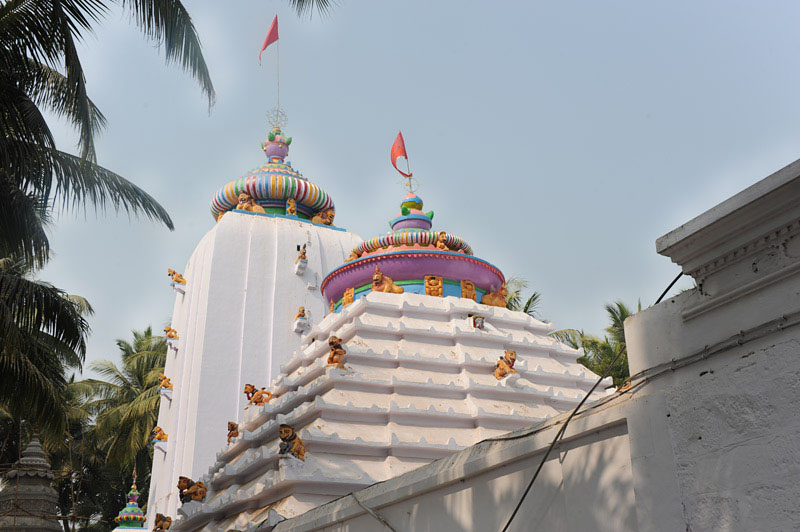
📍 Jajpur, Odisha
The Girija (Biraja) Shakti Peetha at Jajpur on the Baitarani river, where the navel of Sati is said to have fallen. The goddess is worshipped as a two-armed Mahishamardini piercing the buffalo demon.
📍 Kangra, Himachal Pradesh
An ancient and much-plundered Shakti Peetha in the Kangra Valley, revered as the place where the left breast of Goddess Sati fell. It has been rebuilt many times through a turbulent history.

📍 Una, Himachal Pradesh
A much-loved Shakti Peetha in the Una hills where Sati's forehead is said to have fallen. Its name means 'she who fulfils all worries and wishes' (chinta).

📍 Dantewada, Chhattisgarh
A revered Shakti Peetha in the forests of Bastar at the confluence of the Dankini and Shankini rivers, where a tooth of Sati is said to have fallen. Danteshwari is the presiding goddess of the old Bastar kingdom.

📍 Jalandhar, Punjab
The Tripurmalini Shakti Peetha of Jalandhar, built around an ancient sacred tank (talab), where the left breast of Sati is said to have fallen.
📍 Bilaspur, Himachal Pradesh
A hilltop Shakti Peetha where the eyes (nain) of Sati are said to have fallen, overlooking the vast blue Govind Sagar lake. It is one of the most beloved Devi shrines of the Himalayan foothills.
📍 Kurukshetra, Haryana
A Shakti Peetha at Kurukshetra where the right ankle bone of Sati is said to have fallen, and where the Pandavas are believed to have worshipped the goddess before the Mahabharata war.

📍 Kurukshetra, Haryana
An ancient Shiva temple in sacred Kurukshetra where, by tradition, the Pandavas worshipped for victory before the Mahabharata war. It gives the region of Thanesar its name.
📍 Una, Himachal Pradesh
A much-loved Shakti Peetha in the Una hills where Sati's forehead is said to have fallen. Its name means 'she who fulfils all worries and wishes' (chinta).

📍 Kangra, Himachal Pradesh
A one-of-a-kind Shakti Peetha where the goddess is worshipped not as an idol but as eternal natural flames rising from the rock, marking where Sati's tongue fell.
📍 Jalandhar, Punjab
The Tripurmalini Shakti Peetha of Jalandhar, built around an ancient sacred tank (talab), where the left breast of Sati is said to have fallen.
Mansa Devi Temple Panchkula is primarily dedicated to Shakti.
Mansa Devi Temple Panchkula is located in Panchkula, Haryana.
March to October; the Chaitra and Ashwin Navratri melas (spring and autumn) are the grandest.
Mansa Devi Temple Panchkula is one of the 45 temples in the Shakti Peetha.
Mansa Devi — literally the goddess who fulfils the wishes of the mind (mansa) — is revered as a benevolent form of Shakti who grants boons to sincere devotees. The temple is one of the most important Devi shrines of the region and a focal point of Navratri worship in North India. The thread-tying tradition expresses the intimate covenant between the mother and her devotees. Its accessibility and grace make it a beloved pilgrimage close to Chandigarh.
Affiliate disclosure: Sanatan Hindu participates in the Amazon Associates Programme and the CueLinks affiliate network (Myntra & Flipkart). This page contains affiliate links, if you click and buy, we earn a small commission at no extra cost to you. As an Amazon Associate we earn from qualifying purchases. Full disclosure.
Clicking opens Amazon.in. Prices and availability may vary.
Browse all pooja itemsAmazon Associates tag: geekydevelope-21
Clicking opens Flipkart via our affiliate link. Prices and availability may vary.
Shop on FlipkartCueLinks Publisher: 300371
Clicking opens Myntra via our affiliate link. Prices and availability may vary.
CueLinks Publisher: 300371
Join our free newsletter, no spam, unsubscribe anytime.